The draft bill for the health care reform in Germany not only extends the price moratorium until 2030 but also cuts free pricing for nex Gx products. In the future, Gx prices for new products will depend on the existing market prices. The decisive factor will be whether a drug with the same active ingredient and comparable dosage form is on the market, no matter by which manufacturer. The algorithm for the calculation will be determined by the GKV-Spitzenverband, the umbrella payer organization.
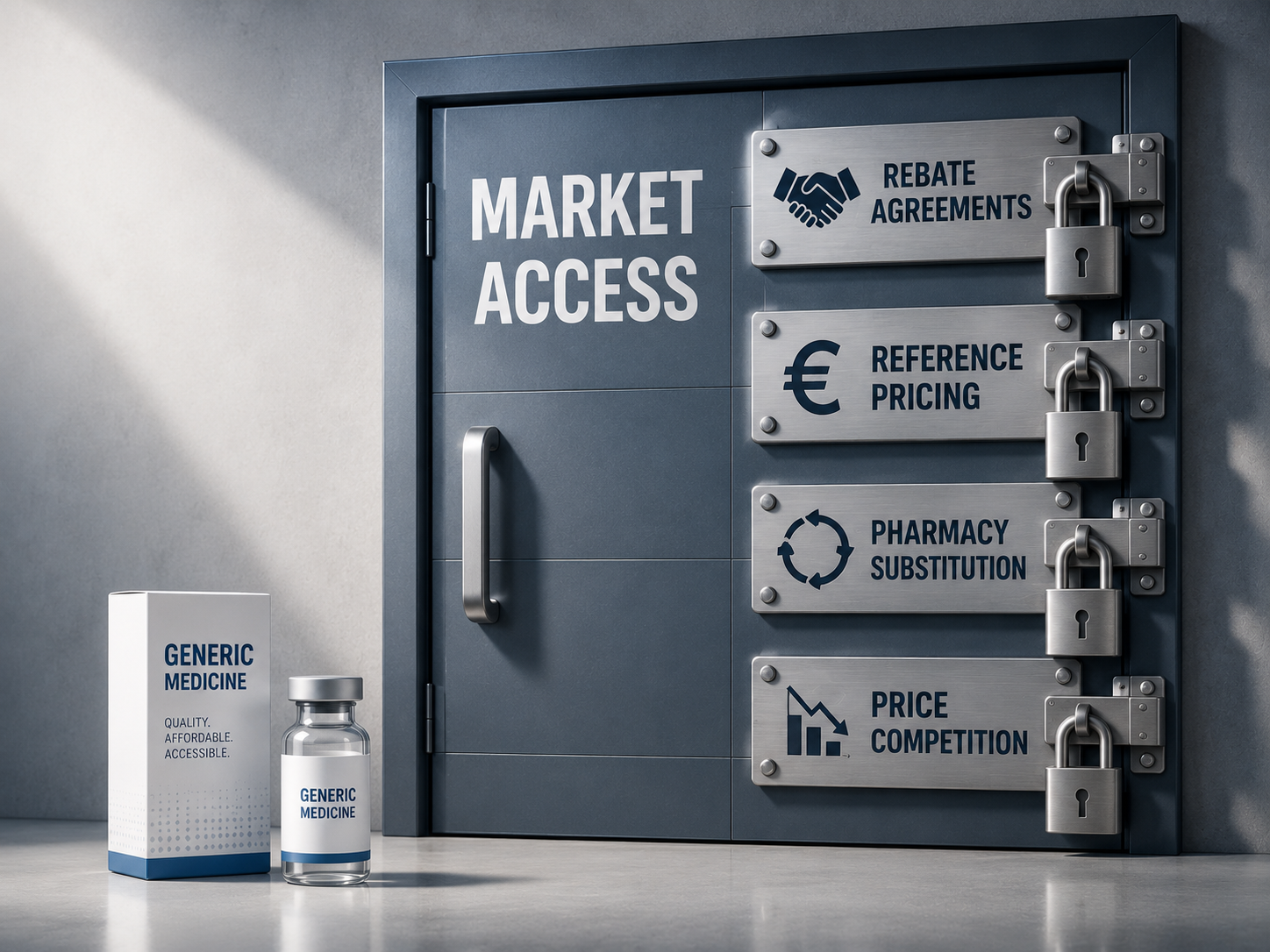
The goal is to further limit spending in the statutory health insurance system. However, the German generic drug market already has numerous regulatory instruments for price control:
• Fixed amounts
• Discount agreements
• Dispensing order in pharmacies
• Mandatory interchange/substitution
• Significant generic price competition
With the new proposal it will most likely be unattractive and uneconomical to invest in the further development of generic formulations to improve the treatment of patients. The generic market thrives on the entry of new suppliers, price competition, and the development of new dosage forms. If, in the future, new products must be directly aligned with existing reference prices, the economic incentives for innovation within the generic market will decline.
The details of the price calculation is left to the GKV-SV. This will probably lead to low prices which might be in the interest of the payer organization. In this regard the question arises as to why a fixed-amount system and an extended price moratorium for generics should coexist.
For pharmaceutical companies, the proposal means one thing above all: greater uncertainty regarding pricing, market entry, and launch planning for new products. It will definitely not solve the problem of drug shortages in Germany.