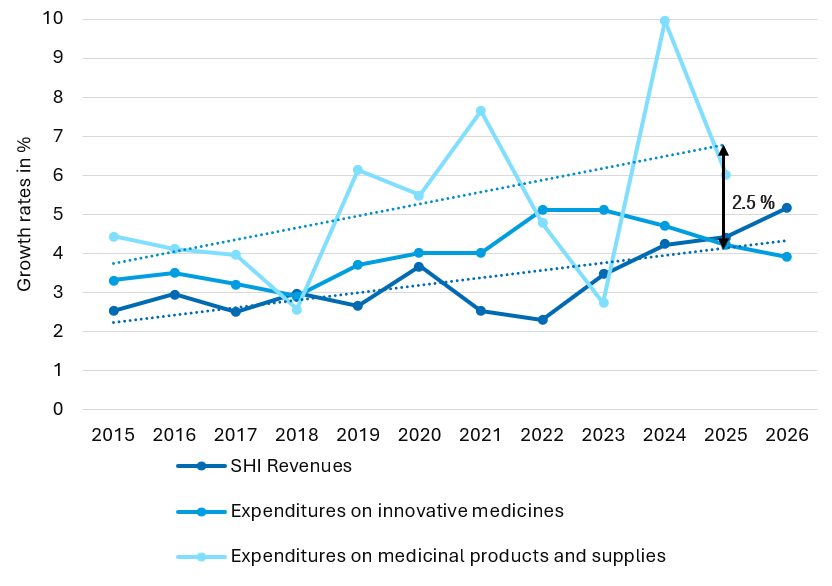
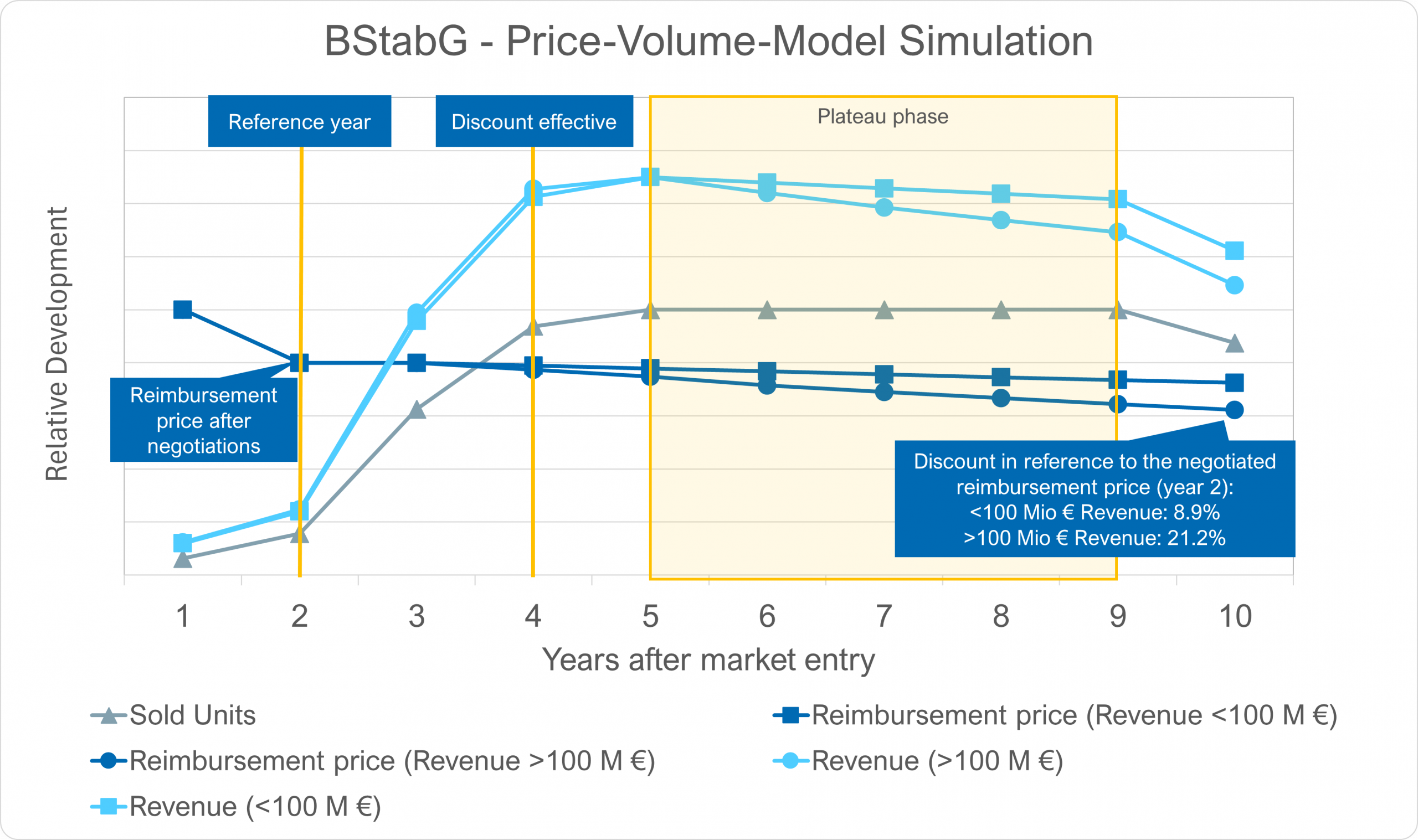
After the implementation of the BStabG with far-reaching consequences, a reform of the AMNOG process itself (AMNOG 2.0) is now being discussed. Beyond that the Finance Committee on Health recently proposed expanding the role of cost-benefit assessments for reimbursement price negotiations, effectively adding another step to the evaluation process.
The BMG’s latest AMNOG 2.0 proposal introduces a two-stage benefit assessment based on the best available evidence for medicines with specific regulatory pathways like conditional or accelerated approval as well as PRIME and orphan designations.
What is particularly interesting about the BMG’s proposal is the greater emphasis placed on RWE, based mainly on FDZ data, since it cannot be expected that additional high-quality studies will be conducted for these specific products after approval. This mechanism is supposed to replace the process of post-marketing data collection but could also replace the reevaluation of Orphan Drugs once the 30m threshold is exceeded.
The Finance Commission’s proposal to broaden the use of cost-benefit assessments points in a different direction and reflects the fact, that the government’s advisors are dissatisfied with the AMNOG process and drug pricing, especially in the light of increasing cost pressures.
Perhaps these proposals can lead us to look more closely at how evidence is used in the first place. In the context of the German healthcare system, the current focus lies on how to reduce costs. But in the context of the Joint Clinical Assessment, it might be worthwhile to keep the focus on the clinical benefit and consider a more open approach to the available evidence — in the form of pivotal studies — for the purposes of benefit assessment. Comparator therapies determined by the GBA that are disconnected from the available evidence from marketing authorization studies are ultimately unsuitable for an appropriate assessment of innovative therapies in terms of providing the best possible care for patients.
There seems to be no doubt that the AMNOG system needs to evolve in some way; the question is how. Whether either of the proposed changes will make it to the final reform is uncertain. The Finance Committee is supposed to present a second report on structural reforms in the healthcare system by the end of the year, suggesting that 2027 will bring another reform of the German healthcare market.