

European Health Technology Assessment (EU-HTA / JCA)
- Strategic HTA planning
- Advisory & coordination with EU authorities
- Expert dossier preparation
Current Status – Introduction of the EU HTA
With Regulation (EU) 2021/2282 of December 15, 2021, the European Union established the legal framework to shift the Health Technology Assessment (HTA) of medicines with new active substances and medical devices from the national to the EU level. The new EU HTA process will initially apply only to certain product groups and will then be gradually expanded to include additional products:
- from January 2025: oncologics and advanced therapy medicinal products (ATMPs)
- from January 2028: products for the treatment of rare diseases (orphan drugs, ODs)
- from January 2030: all other products
Starting in 2026, selected high-risk medical devices are also to be included in the assessment.
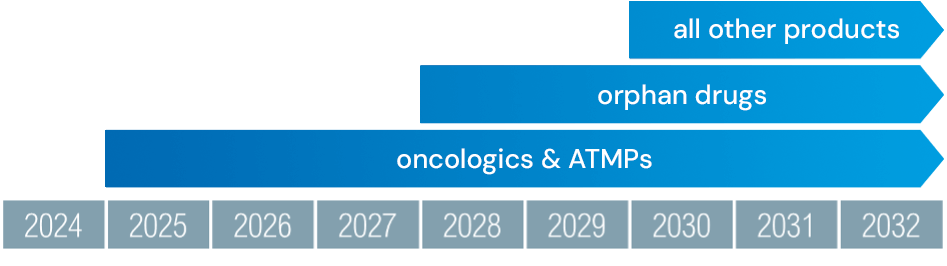
Figure 1: Timeline of the EU-HTA, ATMP = Advanced Therapy Medicinal Product
According to Article 7 of the regulation, the EU HTA will only apply to products for which marketing authorization applications (MAA) are submitted to the European Medicines Agency (EMA) for the first time after the respective cut-off dates, as well as to their subsequent indication extensions. Active substances for which MAA have been submitted prior or already approved prior to these dates and indication extension will continue to be assessed at the national level. Pricing and reimbursement will also remain under national jurisdiction. Consequently, national and EU-level HTA procedures will run in parallel for an extended period. This means that national assessment criteria will continue to be decisive. To implement the EU HTA, a Coordination Group was established, consisting of HTA institutions from the member states. Germany is actively involved through the Federal Joint Committee (G-BA) and the Institute for Quality and Efficiency in Health Care (IQWiG), both of which are represented in the working groups developing the methodology required for the EU HTA. Consequently, it is expected that the EU HTA will be strongly influenced by the expertise of the German HTA institutions and by the AMNOG process. As of April 2026, IQWiG is currently participating in three JCA procedures as an assessor and in one as a co-assessor.
The Joint Scientific Consultation (JSC)
The European HTA authorities, with the EMA, offer an early scientific consultation. The aim is to support pharmaceutical companies in planning their pivotal studies. Due to the limited capacity of the authorities, the number of consultation slots is highly restricted and therefore cannot be guaranteed for every company or every product. For 2025, five to seven consultations for medicines and one to three for medical devices are planned. The application periods were in February and June, and the plan for 2026 is expected to be published at the end of November. Consultation slots are granted based on the following criteria:
- Unmet medical need (no or insufficient treatment available)
- First-in-class medicine
- Potential impact on patients, public health, or healthcare systems
- Significant international dimension
- Considerable EU-wide added value
- Priorities of clinical research within the EU
Important: This consultation offer applies exclusively to the early development phase before the start of clinical studies. Consultations on dossier preparation after study completion currently are not planned. Furthermore, the state of scientific knowledge can change significantly between the early consultation and the subsequent HTA process (which often takes place years later). Consequently, this can have a substantial impact on the acceptance of the studies within an HTA, particularly regarding the choice of the appropriate comparative therapy. Therefore, it is recommended that companies planning to undergo the EU HTA also seek a separate consultation at the national level before dossier preparation. In Germany, such consultations are offered in particular by the G-BA.
The Joint Clinical Assessment (JCA)
The core element of the EU HTA is the Joint Clinical Assessment (JCA). Within a JCA, the clinical aspects of an HTA are to be addressed, including:
- Identification of a health problem
- Identification of existing health technologies
- Technical characteristics of the technology under assessment
- Relative efficacy and safety of the technology under assessment compared with existing health technologies
The assessment of economic, social, and ethical aspects remains under national responsibility. Likewise, the final decision on the added benefit — and the related negotiation of reimbursement amounts — remains within the authority of the individual member states.
Therefore, the aim of a JCA is the centralized provision of the clinical components of an HTA, without a final evaluation. Data, analyses, and other evidence that have already been provided at the EU level within the JCA are not to be resubmitted at the national level. This means that, if a JCA already exists, it should be used for the national benefit assessment. Article 8(6) of Regulation (EU) 2021/2282 therefore specifies that a JCA must be inclusive and should cover the needs of all member states.
Since standards of care and HTA criteria differ between member states, a JCA must address multiple research questions based on the PICO framework (Population, Intervention, Comparator, Outcomes). Therefore, a scoping meeting is held at the beginning of the procedure to identify and, if possible, consolidate the PICO schemes of the member states. Initial test procedures have shown that up to 13 PICOs per active substance may be required. Within the JCA dossier, the pharmaceutical company must address all PICO questions. At a minimum, this requires the conduct of a systematic literature review for each PICO, presenting all identified studies.
According to Article 2 of Regulation (EU) 2021/2282, a JCA must always include a comparison of the assessed technology with one or more other relevant therapies or procedures within the same therapeutic area. Direct comparative studies are preferred. If such studies are not available, indirect comparisons must be carried out, which may be adjusted or unadjusted. If an indirect treatment comparison is required, this should be taken into account during the planning of the clinical studies.
Processes and Timelines
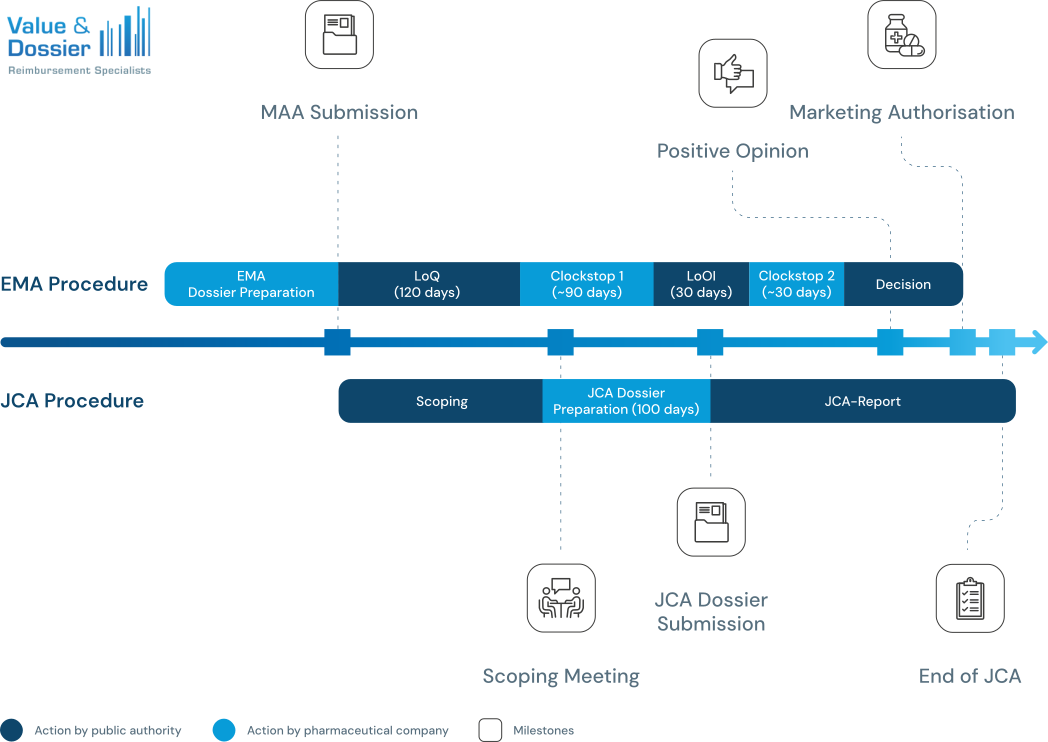
After completion of the scoping phase, the pharmaceutical company has 100 days to submit its dossier. Based on this dossier, the JCA report is prepared and subsequently made available to all member states. In parallel, the marketing authorization procedure by the EMA takes place, which is closely linked in timing to the JCA process. First, the Marketing Authorization Application (MAA) is submitted. The agency then reviews the documents and issues a List of Questions (LoQ). The LoQ is provided shortly before the end of the scoping phase. This means that while the company is preparing the extensive JCA dossier, it must simultaneously respond to the EMA’s questions. This overlap results in a significant dual workload and requires careful coordination of both processes, as well as the earliest possible preparation of the dossier.

After more than 25 years of experience in market access, we are still fascinated by the unique strategic and substantive challenges that each individual project brings. Our clients’ success is what drives us and fuels our ambition. We approach every project with passion and provide high-quality analyses and customized solutions that best serve our clients’ interests.
Successfully navigating European HTA – with clear expertise by your side
The EU-HTA process presents new challenges for pharmaceutical companies. Our experienced team supports you through every step of the EU-HTA journey. Get started with your EU-HTA preparation today and contact us for a non-binding consultation!